

Brief Overview
A Survey of Individuals and Families Living with Autism
Brief Overview
NEEDS ASSESSMENT OVERVIEW
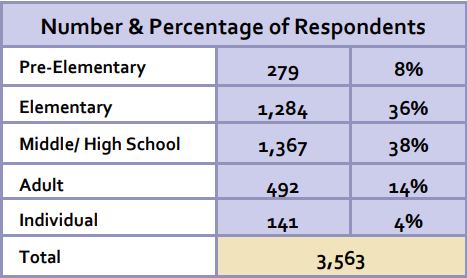
With more than 3,500 responses, this is the largest and most comprehensive survey of individuals with autism and their caregivers to date in the nation. The findings from this needs assessment highlight challenges that Pennsylvanians with autism, of all ages, face everyday.
REPORTS PUBLISHED
Statewide Summary
Service Needs
Barriers & Limitations to Accessing Services
Unwanted Outcomes: Police Contact & Emergency Hospital Care
Getting a Diagnosis & Follow-up Care
Employment Challenges
Family Impact
Report Recommendations
KEY FINDINGS
- Pennsylvanians with autism of all ages and their families are struggling to find the services they need and are often dissatisfied with the services that are provided.
- As individuals with autism grow into adulthood the needs for supports and services often increase, although services become more difficult to access.
- A lack or shortage of providers is the most common barrier to accessing services.
- The lack of effective interventions for challenging behaviors and mental health problems often lead to preventable crises.
- Although children are being diagnosed at younger ages, diagnosis and follow-up care is still a long and difficult process.
- Most adults with autism are unemployed or underemployed because the necessary supports are not available.
- Caring for an individual with autism takes an economic and emotional toll on families.
Service Needs
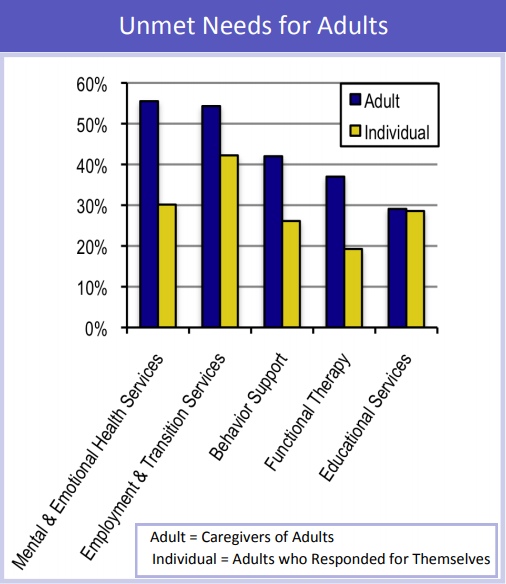
- 85% of individuals with autism have a co-occurring disorder, complicating the amount and type of services they need.
- Social skills training is among the most commonly reported unmet needs.
- Close to half of caregivers of students in middle and high school, and 1 in 3 adults, report and unmet needs for transition services.
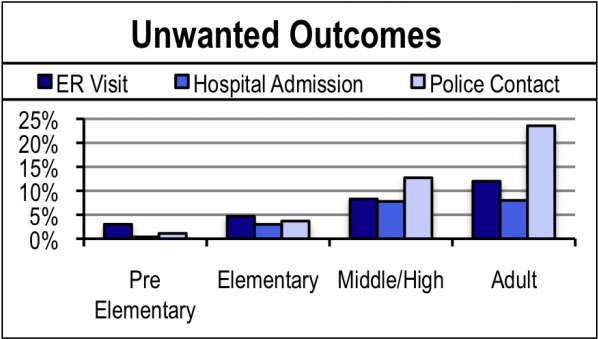
Unwanted Outcomes: Police Contact & Urgent Hospital Care
- 50% of individuals who had police contact were hospitalized at some point
- Over half of caregivers of adults report dissatisfaction with discharge planning, inclusion in treatment planning, and quality of treatment.
Barriers & Limitations to Accessing Services
- A lack of or shortage of providers was the most common barrier for all services and was worse in rural areas, and in regard to adult services.
- Almost 1 in 5 report cost or lack of insurance as a barrier to receiving specialty health and education services.
Getting an Autism Diagnosis & Follow-up Care
- There is a 6-year difference between the age when individuals in the adult group were diagnosed and the age when individuals in the pre-elementary group were diagnosed.
- Referrals to follow-up services post-diagnosis have increased over time. Still, less than half of families of pre-elementary school children are referred to treatment or follow-up appointments
Family Impact
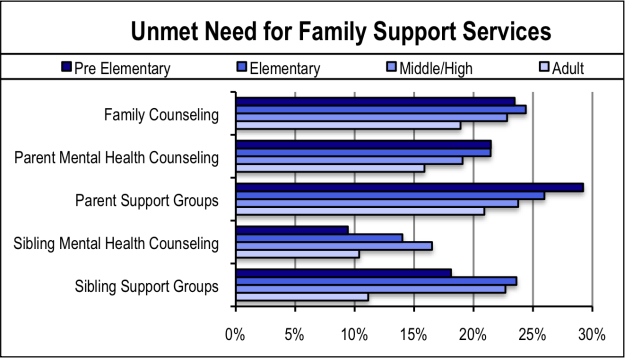
- The most common barriers to receiving these services were a lack or shortage of providers (35%) and high cost or lack of insurance (20%).
- Across all age groups, caregivers reported an unmet need for care services, such as respite, weekend, and after school care.
- Care services support families in caring for their family member with autism in the home and may reduce the likelihood of hospital-based care and emergency room use.
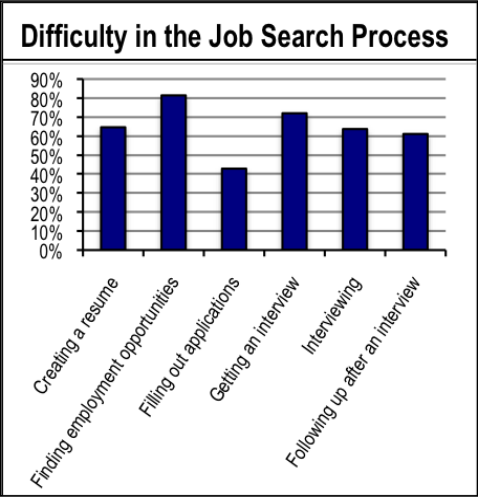
Employment Challenges
- More than two thirds of adults with autism are unemployed.
- More than 1 in 4 adults with autism report needing, but not receiving, vocational training, career counseling, or supported employment, and 1 in 5 report needing, but not receiving, help with transition planning.
- Almost 70% of those employed feel some type of discomfort interacting with their peers or authority figures in the workplace.
KEY RECOMMENDATIONS
Each of the topic reports has a comprehensive set of recommendations based on the findings within that topic. Out of this larger set, a few Key Recommendations were identified. By implementing these recommendations, we can address many of the barriers, unmet needs and unwanted outcomes identified through this study
1. Expand the capacity to provide appropriate diagnosis and assessment of children and adults with autism.
2. Increase the availability of, and access to, all types of autism services to support individuals with autism and their families.
3. Provide training in best practices to meet the needs of individuals with autism and their caregivers.
4. Identify opportunities to develop cross-sector solutions and share resources.
It is beyond the scope of any single organization to address everything that has been identified through this survey. Instead, this information is intended as a resource for the entire state, to benefit and drive collaborations across systems in public and private sectors, including service providers, community organizations, and advocacy groups who have a vested interest in meeting the needs of the growing population of individuals with autism.